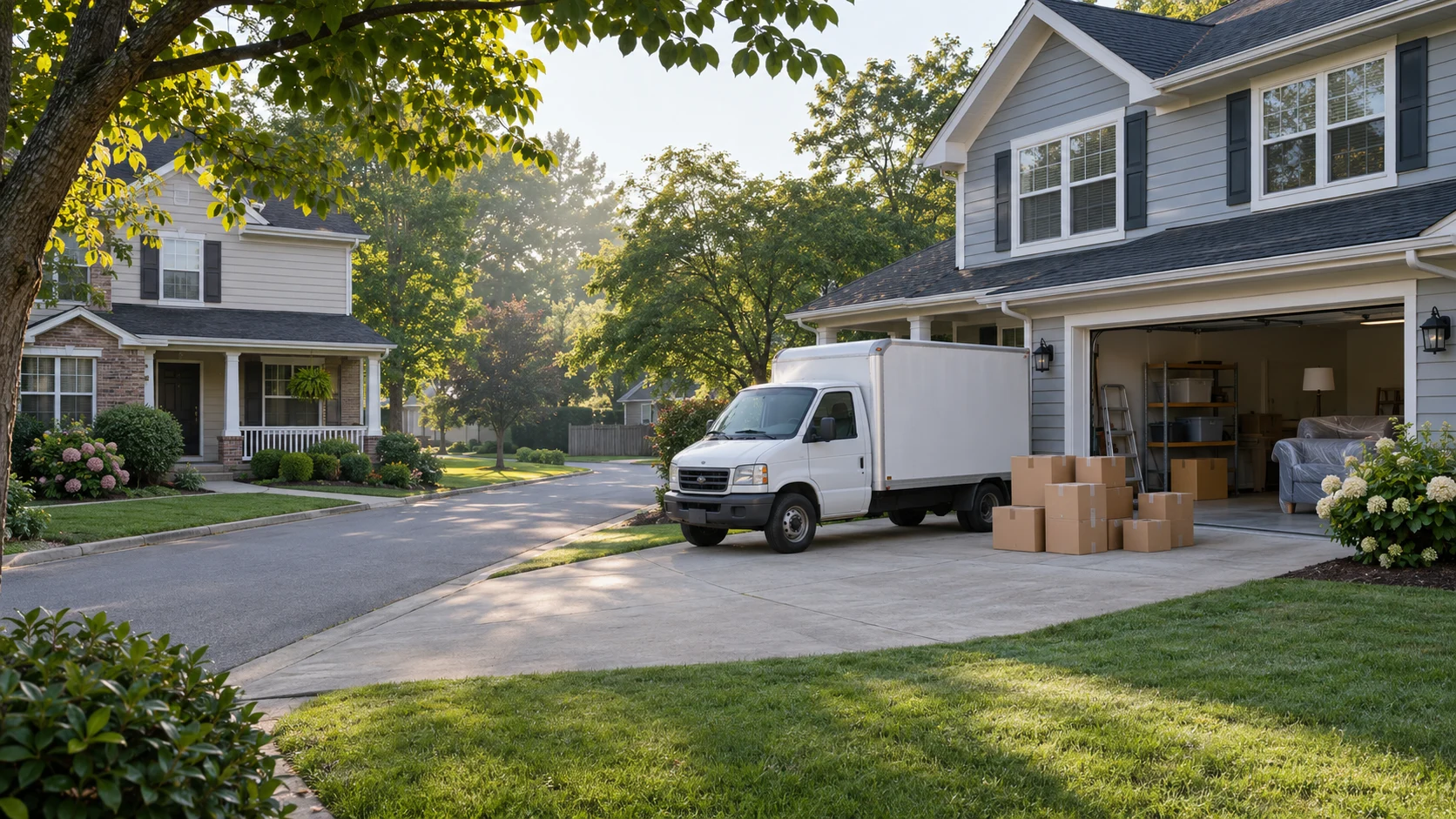
A nearby move can tempt you to leave decisions until the last day. The new home is close, so it seems easy to make another trip, finish packing later, or decide where furniture belongs after arrival. Those choices can still create extra work. Short distance movers need a clear inventory, usable access, and a service plan even when the drive takes only a small part of the appointment.
This guide focuses on moves between nearby addresses and the details that a short route can hide. It helps you decide whether to consolidate the job, plan more than one trip, and divide responsibilities without turning the day into repeated errands. The goal is to use the convenience of proximity while keeping the actual handling work organized.
Define the boundary of the move
Write down which belongings the provider will handle and which you will carry personally. Include furniture, cartons, storage areas, and outdoor items. If you intend to transport clothing or small personal objects yourself, identify that boundary explicitly. A company estimating a complete household move should not have to guess which items will disappear before its crew arrives.
Use our residential moving plan if you need help building the overall scope. For a nearby move, also list belongings you expect to transport before the main appointment. Keep that list current as you complete trips. Otherwise, the final shipment may differ substantially from the inventory used to assess the booking and allocate equipment.
Choose one coordinated job or several stages
Some households can move most belongings during one organized appointment. Others have overlapping access and prefer to transfer selected items beforehand. Decide which approach fits your actual schedule, then tell the provider. Do not assume proximity makes a series of partial trips cheaper or faster. Travel, loading, unloading, and waiting can recur each time.
If you plan several stages, give each stage a purpose. You might move personal records and plants yourself while reserving furniture and packed cartons for the crew. Avoid carrying random loose possessions between homes without tracking what remains. A staged move works best when the final moving appointment has a defined inventory rather than a collection of unfinished tasks.
Check both properties before booking
Walk the loading route at the origin and the unloading route at the destination. Note stairs, tight turns, door openings, elevator access, gates, and the distance from approved parking. The two homes may have very different handling conditions even when they share a neighborhood. Give the mover accurate details about both instead of describing the job only as a short drive.
Our apartment moving guide covers building restrictions and elevator coordination. Ask the relevant manager or authority about loading permission, access hours, and any documentation. A nearby address does not remove the need for reservations. If the destination limits unloading to a specific period, the moving plan must fit that period rather than your preferred start time alone.
Decide whether you need a vehicle
A move within the same building may need labor without road transportation. A move around the corner may still require a suitable vehicle because carrying belongings along public routes introduces different practical constraints. Ask the provider to assess the actual job. Do not assume the shortest physical route is the appropriate or accepted handling method.
The local movers and moving labor guide explains how transportation and labor can be supplied together or separately. If you provide a vehicle, confirm who drives, what equipment is available, and how loading and unloading are coordinated. Keep the provider informed about any change in the vehicle arrangement before the appointment.
Finish packing despite the short route
Pack loose belongings into suitable containers and identify destination rooms. An open basket can seem convenient when the drive is brief, but it may not suit the provider's handling and loading method. Ask what preparation it expects. Keep fragile items and small valuables separate according to your agreed plan rather than leaving them scattered around rooms.
Read our packing services guide if you need help finishing selected rooms. Explain unfinished work early enough for the company to assess supplies and timing. A short distance does not allow the crew to pack an undefined number of cupboards automatically. The booking should describe whether packing is included, partial, or entirely your responsibility.
Use nearby access to prepare the destination
If you are authorized to enter the new home before moving day, use that access to measure rooms and plan furniture placement. Check whether the pieces will clear doors and fit their intended positions. Decide where beds, large cabinets, and desks belong. A settled layout reduces the chance that the crew will need to relocate heavy furniture repeatedly.
Take only the preparation materials you need for that visit. Avoid filling the new home with unorganized possessions before the main move. Keep loading paths and room entrances clear. If cleaning, painting, or repairs are still underway, agree on which areas will be available. The mover should know about those limitations before arriving with the household shipment.
Plan personal trips deliberately
Choose a small, specific group of belongings to keep under your own control, such as documents, keys, medication, and immediate work needs. Prepare them before the main packing starts. If you intend to carry plants, food, or other items the mover will not accept, confirm the provider's restrictions and make an appropriate separate plan.
Give personal trips a realistic place in your schedule. Loading a car repeatedly can consume time needed for packing, supervising children, or meeting the crew. Do not rely on the ability to return later if the old property must be released by a deadline. Keep a final sweep appointment in the plan and verify when your access actually ends.
Understand the booking's time structure
Ask how the provider charges for the work and which minimums or travel terms apply. Clarify when time starts, how waiting is treated, and whether multiple trips were assumed. If the service uses a flat price, confirm the inventory and access conditions supporting it. Proximity alone does not tell you the final cost structure.
Our hourly movers guide explains questions specific to time-based work, while the moving costs guide covers the wider budget. Compare equivalent scopes. A proposal covering one packed load differs from a proposal that includes extra collection trips, furniture preparation, and packing assistance. Keep those differences visible instead of comparing advertised rates in isolation.
Assign furniture preparation
Ask who dismantles approved pieces and handles agreed reassembly. Describe beds, shelving, modular furniture, and any known weak fittings. Keep instructions or model details available when they help the provider assess the task. A piece that was assembled in its current room may not leave that room intact, even if the destination is nearby.
Keep hardware associated with the correct item using the provider's agreed method. Empty furniture as instructed and identify loose components. Tell the crew about existing damage or previous repairs before handling begins. For a move focused on one or two pieces, the furniture moving guide provides a more detailed preparation process.
Keep both addresses staffed appropriately
Decide who will be at the origin and who will receive the belongings. One person may be able to handle both if the provider's sequence allows it, but confirm the plan rather than assuming. If a helper receives the shipment, give that person room names, placement instructions, and a way to reach the main decision maker.
Avoid sending the only person who knows the inventory away on a personal errand while the crew needs answers. Choose one primary contact and keep instructions consistent. If family members are helping, agree on which tasks they control. A nearby move can become confusing when several people independently redirect furniture or remove boxes without updating the shared plan.
Protect the work route
Clear walkways and keep stable packed cartons away from exits. Tell the provider about surfaces, doors, or shared areas that require consideration. Keep children, pets, and visitors away from active handling. Doors may remain open, and the familiarity of both properties does not eliminate the need for supervision and clear access.
Report new obstacles or weather conditions promptly. Do not pressure the crew to use an unsuitable route because another trip seems inconvenient. If the assessed method no longer fits the conditions, let the provider explain the revision. The plan should support the actual work rather than treating every change as something to solve through speed.
Manage an overlap between homes
If you have several days of authorized access to both properties, decide which home remains your functional base until the main move. Keep essential belongings together instead of spreading them unpredictably across two kitchens or bathrooms. A small checklist can show which items remain in use and when they will transfer.
Use the overlap for measured preparation, not indefinite postponement. Set deadlines for sorting, packing, utility arrangements, and the final property check. If storage is needed because the dates do not align as expected, discuss it through a separate accepted arrangement. Do not assume a nearby mover will hold the shipment or return repeatedly without agreed terms.
## Decide what another trip really involves
Before planning repeated trips, list the steps each one requires. Someone must prepare the belongings, reach the vehicle, load, travel, obtain destination access, unload, and return if more work remains. Even when the road distance is small, those steps consume attention and may interrupt other tasks. Compare the complete sequence with the provider's proposed method.
For example, carrying personal bags separately may be straightforward, while dividing the furniture across several trips may complicate reservations and labor. The useful distinction is the work involved, not whether the homes look close on a map. Ask the mover whether the planned sequence matches the equipment and booking you are considering.
If you retain personal trips, give them defined contents and completion times. Keep the household inventory updated after each one. This prevents the crew from arriving to assess a shipment that has changed in ways nobody can explain clearly. It also helps you find belongings that would otherwise be scattered between addresses.
Keep the old home ready for release
Make a separate list of tasks needed before your access ends. Include the final belongings check, agreed cleaning, keys, and any property-specific handover instructions. Verify those instructions with the person responsible for the property rather than assuming that living nearby lets you return after the deadline.
Decide which tasks happen before loading and which must wait until rooms are empty. Keep the necessary supplies separate from the shipment. If several people help, assign one person to check completion instead of relying on everyone to notice what remains.
At the final sweep, compare the property with the inventory and the list of items staying behind. Check spaces that were not used recently, including storage cupboards and outdoor areas. Ask another household member to review uncertain items before you release access.
The benefit of proximity is easier coordination when used deliberately. A planned final visit can resolve remaining tasks, while repeated unplanned visits can postpone decisions and make the day feel unfinished. Set a clear endpoint and keep the accepted moving work aligned with it.
Keep cleaning supplies, property instructions, and the remaining keys accessible until that check is complete. Tell everyone helping which items must stay available so they are not packed or transferred prematurely.
Check completion room by room
At the origin, inspect cupboards, closets, utility spaces, garage areas, and outdoor storage. Compare what remains with the list of belongings staying behind. At the destination, confirm the agreed placement and assembly tasks. Raise specific concerns while details are fresh and follow the provider's process for reporting them.
Keep the final records and receipts with the booking documents. Your short-distance move is complete when the accepted tasks are finished and the old property has received its final check, not simply when the first load reaches the new address. Accurate scope, finished packing, and clear access make the convenience of a nearby destination useful throughout the day.