
Residential movers need a description of how your household will move, not just how many bedrooms appear in a property listing. A useful service plan identifies the belongings, tasks, people, access, and deadlines involved. It also separates household decisions from work assigned to the provider. Start by writing what must happen before pickup, during transportation, and when the belongings reach the next home.
This guide focuses on building that household plan. It covers decisions about retained furniture, room priorities, family responsibilities, and the services you want included. Once the scope is clear, our guide to choosing a moving company can help you assess providers against the same description of the job rather than comparing different assumptions.
Give the move one shared description
Create a brief record of the origin, destination, preferred dates, firm deadlines, and contact people. Explain whether the next home is confirmed and when access begins. If one address remains provisional, record that uncertainty instead of filling the gap with a guess. The plan should be easy for another household member to understand without reconstructing conversations.
List the tasks you want help with, such as packing, furniture preparation, loading, transportation, unloading, and approved assembly. Ask the provider to confirm which tasks it accepts. Avoid using full service as the entire description. The full-service moving guide explains why a service label still needs a detailed agreement about rooms, materials, timing, and completion.
Build the inventory around actual spaces
Walk through the home and record furniture and expected cartons in each room. Include closets, garage storage, utility spaces, patio areas, and belongings held elsewhere. Note items you intend to remove before moving. Keep an undecided category for pieces awaiting measurement or a household decision, then resolve those entries before the final proposal is accepted.
Use photos to support the inventory where useful. Show larger pieces, unusual construction, or belongings that need an individual assessment. If you have a collection, explain its nature rather than treating it as an ordinary shelf of miscellaneous objects. An inventory should help the provider ask better questions, not simply create a large count that appears precise without describing the contents.
Decide what belongs in the next home
Measure the new spaces before committing to moving every piece of furniture. Consider entrances, working space, storage, and how the room will be used. A cabinet can fit against a wall while preventing a door from opening properly. Give decisions about large items priority because they affect the shipment and the layout at delivery.
Discuss retained belongings with the people who use them. Avoid making someone else's possessions disappear through a general instruction to declutter. Set aside time for decisions about sentimental objects and shared furniture. If you need collection of discarded goods, the junk removal planning guide explains how to separate that task from the shipment accepted by the mover.
Assign work within the household
Choose one main contact for the provider and a backup when necessary. Give other household members defined tasks, such as sorting a room, packing personal belongings, or preparing destination labels. Keep deadlines visible. A household plan becomes difficult to use when every task is described as something everyone will handle later.
Consider each person's availability and preferences without assuming that everyone can lift, pack, or supervise the same work. A person working during the move may need protected access to a quiet space or equipment. A child may need another adult's attention while doors remain open. Build those needs into the plan before assigning the provider's appointment time.
Choose the packing boundary
Decide which rooms you will pack and which will be handled by the company. Identify fragile pieces that need assessment and ask about materials. Set a deadline for owner-packed cartons so they are ready before loading. Our packing services guide explains how to define partial packing and keep essentials outside the crew's work area.
Make the boundary visible in both the household checklist and the provider's proposal. If the company packs the kitchen while you pack clothing and books, everyone should know that arrangement. Report unfinished work early rather than assuming the crew can add it automatically. The company needs a chance to assess supplies, time, and any change to the accepted service.
Protect daily life during preparation
Keep a small set of necessities in use until departure, then identify how they will travel. Plan meals, sleep, medication access, personal care, and work around packing rather than hoping normal routines will continue unchanged. Avoid boxing the only items needed to finish a task, such as cleaning materials or equipment required for a scheduled remote meeting.
Create an essentials area that will not be loaded by mistake. Include important documents, keys, chargers, personal items, and belongings needed immediately after arrival. Tell the crew leader about that area during the initial walkthrough. If several people have separate essentials, identify them clearly so a helper does not mistake one person's travel bag for an ordinary moving carton.
Assess access as a household task
Find out where the vehicle may park and how belongings will travel between that position and each room. Record stairs, elevators, gates, narrow turns, and long walking routes. Ask the provider what measurements or photos it needs. Your household can gather information, but the provider should assess how the accepted work will be performed.
Check building approvals, loading hours, and reservation processes with the relevant manager or authority. Keep the current instructions with the moving records. If someone in the household arranges an elevator, make sure the main contact knows the confirmed period and conditions. An approval held in one person's inbox is not useful if the people coordinating the move cannot access it.
Identify belongings requiring another service
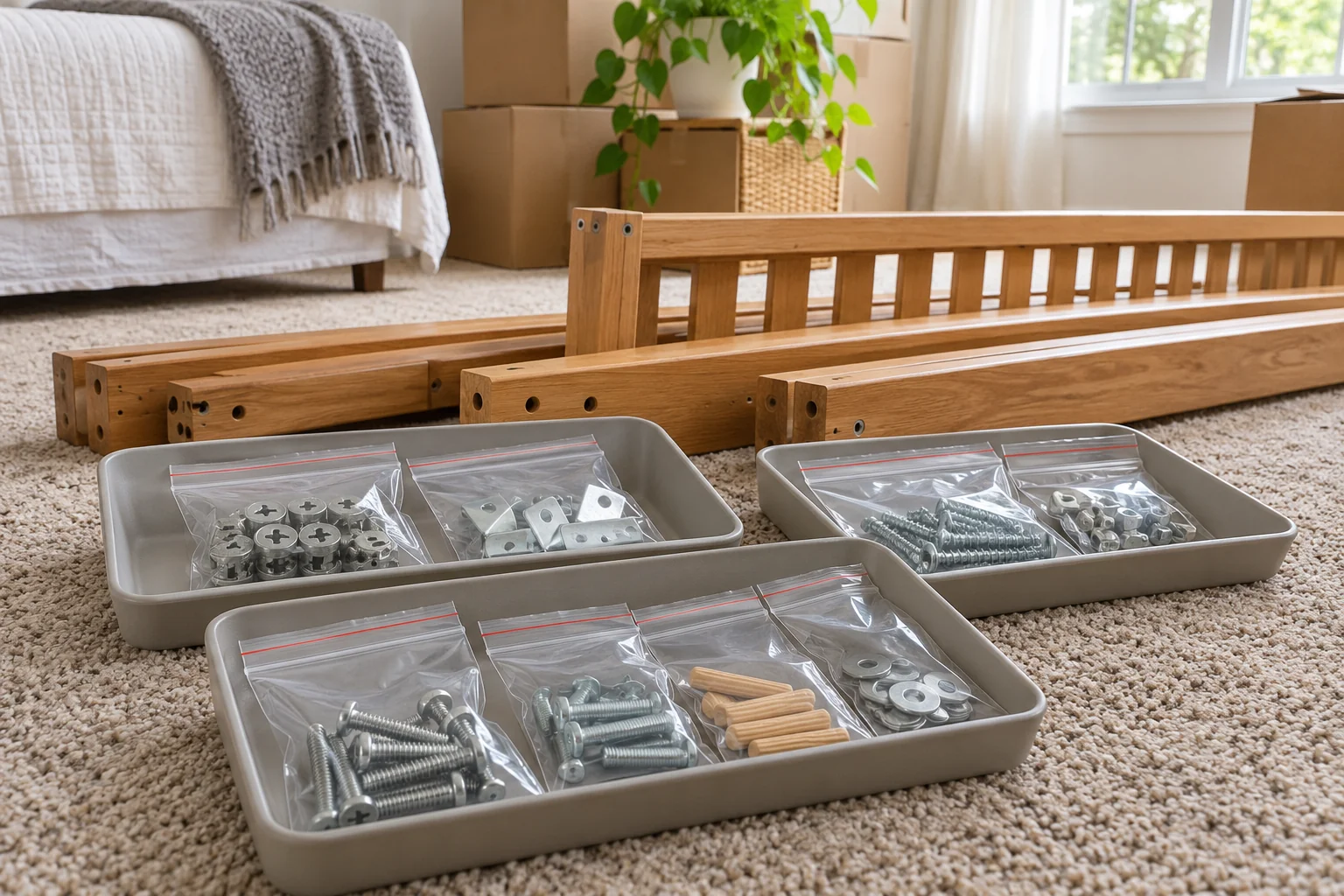
Tell the mover about pianos, safes, pool tables, large appliances, and other unusual items before booking. Ask what it accepts and whether a separate specialist is needed. The specialty item moving guide explains the information to collect. Keep technical preparation, disconnection, or installation assigned to suitable professionals rather than assuming ordinary moving labor includes those tasks.
Do the same for belongings traveling separately, such as a vehicle or goods the household carries personally. Add those appointments to the shared schedule, even if they involve different providers. The moving crew should know what will remain at the origin and what needs an unobstructed route for another appointment. Separate services can still depend on one another's timing.
Match the plan to the distance
A nearby move may allow deliberate preparation trips, while a longer move needs a plan for the period without the shipment. Do not treat either arrangement as automatic. Our long-distance moving guide explains pickup, personal travel, and receiving coordination. Decide which parts of the schedule are confirmed and which remain estimates under the provider's agreement.
If housing dates do not align, discuss storage through a service the provider actually accepts. Record access, duration, release, and delivery arrangements. A household may need clothing or work items throughout a gap, so separate those goods before storage begins. Treat the transition period as part of the move rather than an inconvenience to resolve after loading.
Create one budget from several decisions
Use the accepted scope to review estimates. Keep packing, materials, access, specialist handling, transportation, and storage visible. Add personal travel and temporary household expenses separately where they apply. The moving costs and quotes guide explains how to compare proposals using equivalent information rather than only their total amounts.
Record which costs are confirmed and which still depend on unresolved details. When the inventory or destination changes, request the provider's revised assessment and update the household budget. Retain prior versions so you can follow the changes. A budget should explain the service you are buying, including decisions that reduced or added work after the first discussion.
Prepare a room plan for delivery
Give rooms short, consistent names and use those names on cartons. Decide where the largest furniture should go before it reaches the property. If rooms are similar, numbers may be easier to use than personal names unfamiliar to the crew. Keep access clear and explain which areas cannot be used because of work still underway.
If another person receives the shipment, provide the layout, inventory, contact details, and limits on the decisions they can make. Ask the provider about authorization. Do not assume a relative knows where every piece belongs or which assembly tasks were included. A clear receiving plan supports the agreement even when the main household contact cannot attend.
Confirm readiness before the appointment
Several days before pickup, compare the household checklist with the accepted scope. Check packing progress, access approvals, specialist appointments, and excluded belongings. Send material changes to the provider through the agreed channel. Request acknowledgment where needed rather than assuming a message has been read and incorporated into the moving plan.
On the day, walk through the home with the crew leader. Identify goods staying behind and explain current priorities. Keep children and pets away from loading routes and remain available for questions. Use the inventory for a final sweep before releasing the property. The goal is to finish the agreed work with each room and storage area accounted for.
## Use a room responsibility review
Before finalizing the service, choose one room and explain its complete sequence. Take a bedroom as an example: clothing must be sorted, personal essentials removed, approved furniture prepared, cartons labeled, and the destination position decided. Ask which person or provider handles each step. If the answers are unclear, the broader household scope may contain the same gaps.
Repeat the process for rooms with different needs. A kitchen may require packing help, while a home office may need equipment kept available until departure. The garage may contain excluded materials or belongings awaiting disposal. Treat each space according to its actual contents rather than applying one instruction to every room.
Keep the review concise. The aim is not to create paperwork for every small object but to reveal missing tasks before booking. Once the major responsibilities are clear, put them into the shared checklist and send relevant details to the provider. Review the list again if a household decision changes the work.
Set a practical change threshold
Agree within the household that material changes go through the main contact. Adding a large piece, changing a destination room, requesting more packing, or discovering restricted access can affect the service. Give those updates a clear route so they reach the provider in time for assessment.
Small personal decisions may remain individual, but they should not contradict the inventory or crew instructions. If one person plans to move a cabinet independently, record that fact before another person asks the crew to load it. Consistent instructions matter particularly when family members are working at different addresses.
Keep the accepted plan accessible on moving day and use it to resolve questions. If a new decision is necessary, identify who can approve it and whether the provider needs to revise any document. A household plan should stay usable as circumstances develop, with enough structure to prevent conflicting directions and enough flexibility to record an agreed change.
If a helper arrives after the initial walkthrough, give them the current instructions before they begin. Explain which decisions have already been settled and who they should ask before moving, packing, or redirecting any remaining belongings.
Make the first week functional
At the destination, prioritize sleeping, bathing, food preparation, and essential work. Keep empty materials away from exits and follow property rules for collection or disposal. Reconcile the inventory and record specific concerns through the provider's process. Keep the final documents with the planning records instead of scattering them among unrelated household paperwork.
Review unfinished tasks without treating every carton as equally urgent. Some goods can wait while you make daily routines usable. A residential move becomes easier to manage when the household plan remains clear from the first inventory through the first settled week. Define the work, give each task an owner, and keep the accepted service aligned with your actual circumstances.