
A moving estimate becomes more useful when the estimator can see the belongings and understand the conditions involved. Your preparation should make the shipment clear, identify decisions still pending, and explain the route between each home and the vehicle. The objective is a shared description of the job that can support a written proposal, not a hurried tour based on bedroom count.
This guide focuses on preparing for an in-person or virtual household survey and reviewing what follows. It complements the moving costs and quotes guide, which explains the wider budget. Here, the central task is giving every provider consistent information so that differences in their proposals can be assessed against the same work.
Understand what the appointment should establish
Ask the company how it will conduct the survey, what information it needs beforehand, and who should attend. Explain whether the move is local, interstate, or part of another arrangement. The estimator should understand the route, dates, inventory, service level, and access concerns. Keep a list of unresolved questions so they are addressed rather than lost during the walkthrough.
For interstate household moves, FMCSA's estimate requirements guidance describes surveys conducted on-site or virtually and discusses written estimates. Its guidance explains that virtual viewing uses video that allows the goods to be identified. Ask the provider to explain the process applying to your move instead of assuming a brief telephone conversation supplies the same information.
Make an inventory before the survey
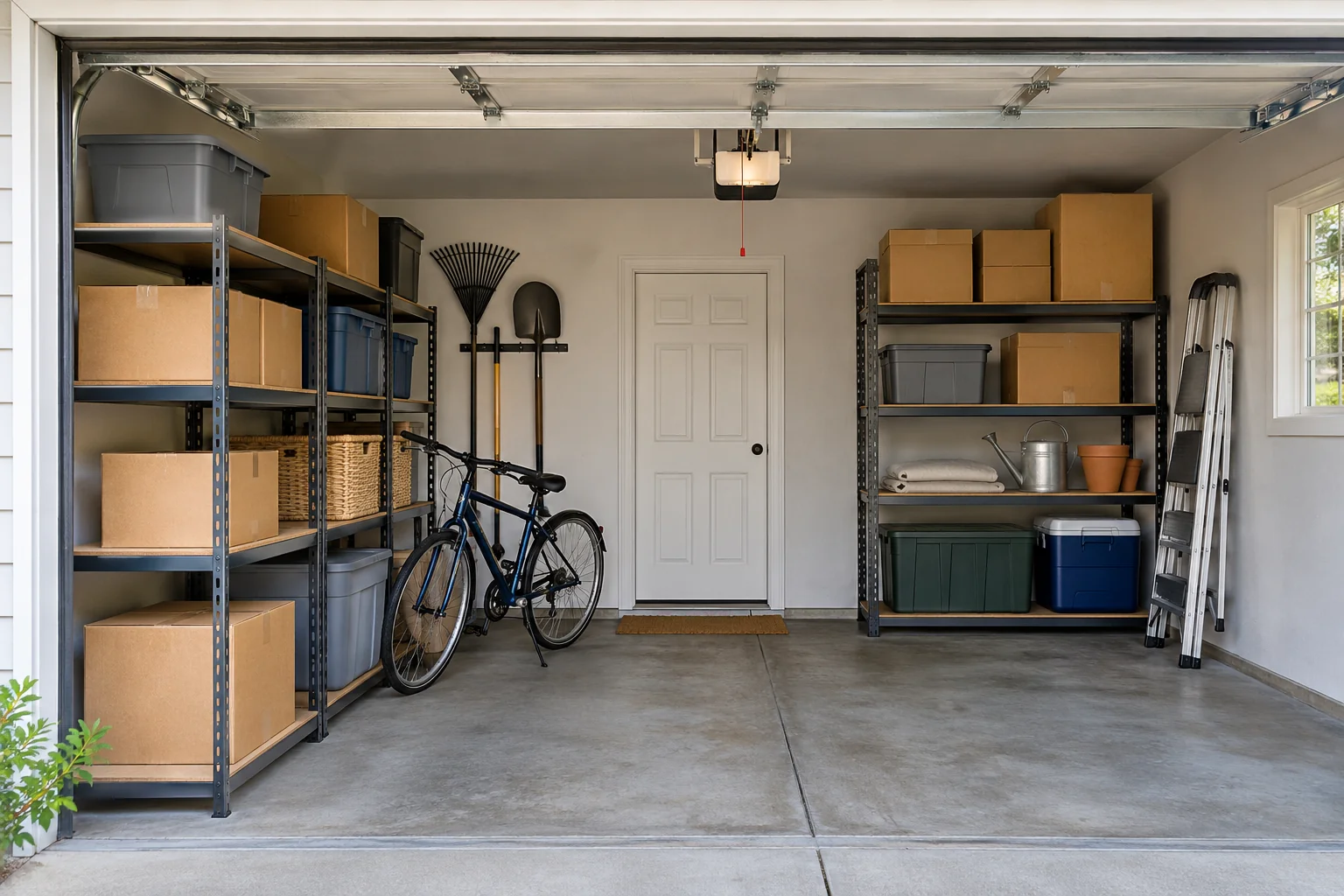
Walk through each room and list furniture, larger belongings, and expected cartons. Include closets, basement areas, the garage, utility spaces, outdoor storage, and items held elsewhere. Mark items that will remain behind. If you have not decided about a piece, record that uncertainty explicitly so it can be discussed rather than omitted from the assessment.
Use simple descriptions that distinguish the items. Two cabinets may need different attention if one contains removable glass shelves and the other is a solid piece. Include model details or verified dimensions where relevant. An inventory does not need elaborate formatting to be useful. It needs to show the actual shipment and make later changes traceable.
Resolve the largest undecided items
Measure furniture against the destination where possible before the appointment. Decide which pieces are likely to travel and which may be sold, donated, or retained elsewhere. If a decision must wait, ask the estimator how to handle it in the proposal. Avoid presenting one inventory as final while privately expecting to add several large pieces later.
Our furniture and small moves guide explains the access and condition information relevant to individual pieces. Keep the same decision record for every provider you consult. If you remove a dining set after one survey, give the other companies the equivalent update. Otherwise, their totals may reflect different shipments even when the dates and addresses match.
Decide the packing scope
Tell the estimator whether you want full packing, selected-room packing, fragile-item preparation, or transportation of owner-packed goods. Identify who supplies cartons and other materials. Ask how the company assesses belongings still inside cupboards and drawers. A closed storage area may hide substantial packing work that is not apparent from the room itself.
Read the packing services guide before deciding if you need help defining that boundary. If you will pack yourself, explain what will be complete by pickup. Do not describe unfinished work as finished simply to simplify the estimate. The company needs to assess the accepted job, including any preparation it is expected to perform on arrival.
Prepare a virtual walkthrough carefully
Ask the provider which device, connection, and camera process it uses. Make sure you can move through the included spaces while showing belongings clearly. Improve lighting where practical, charge the device, and keep the inventory available. The purpose is to make items visible, not to create a polished video that skips cluttered rooms or stored possessions.
Pause when the estimator asks for another view and confirm that important details have been understood. Show cupboards, closets, and separate storage areas when requested. If a connection fails or an area cannot be viewed, identify the gap and agree on the next step. Do not assume a technical interruption has somehow been resolved within the estimate without confirmation.
Prepare an in-person visit
Give the estimator access to the areas included in the move. Keep routes clear enough for a straightforward walkthrough and identify belongings that are not traveling. Gather useful instructions or model details for unusual pieces. You do not need to hide the reality of the home. The appointment should reveal the work, including storage that still needs sorting.
Have a household member present who can answer questions and make the relevant scope decisions. If several people own belongings being moved, collect their information beforehand. Conflicting answers about whether furniture travels can undermine an otherwise detailed inventory. Keep a written note of decisions made during the visit so the household and provider can refer to the same account afterward.
Show origin access in detail
Explain the route from likely vehicle parking to every included room or storage area. Identify stairs, elevator use, narrow corners, gated entrances, and walking distance. Show the actual approved loading position if known. A convenient spot outside the front door may not be available under building or street rules, so explain any uncertainty.
Ask the estimator which access details might change the method or charges and what remains to be confirmed. Gather building instructions from the relevant manager rather than interpreting them from memory. If an elevator reservation or loading period is required for your property, share the confirmed conditions. Access information belongs in the assessment before the proposal is accepted.
Explain destination access equally well
Provide photographs, measurements, or building instructions for the destination when the estimator requests them. Include floors, entrances, parking limits, and any unavailable areas. If you have not visited the home, explain what remains unknown and who can supply reliable information. Do not assume access at the origin is a reasonable substitute for conditions at the receiving address.
The apartment moving guide can help organize questions for a property manager. If the destination changes after the survey, notify the mover promptly. A new address may alter more than the driving route. The company should have an opportunity to assess the revised access and update the relevant documents rather than discovering the conditions on delivery day.
Identify specialty work separately
Show the estimator pianos, safes, pool tables, large appliances, unusually fragile furniture, and other pieces requiring individual assessment. Provide accurate specifications where available and describe existing damage or weak points. Ask whether the company accepts the item and which preparation or technical tasks need another provider. Do not hide an unusual piece within a general furniture total.
The specialty moving guide explains the kind of information to gather. Record any follow-up assessment the company requests. If a specialist proposal will be supplied separately, keep it linked to the household plan and budget. The main estimate should make clear whether that item is included, excluded, or still awaiting acceptance.
Discuss timing without assumptions
Give the estimator firm deadlines, preferred dates, and the earliest destination availability. Explain any housing gap and ask how it affects the proposed service sequence. Identify whether packing and loading happen together or separately. A survey can reveal timing questions that a simple date request does not capture, particularly when building access is restricted.
For a longer route, use our long-distance moving guide to coordinate travel and receiving. Ask what schedule language will appear in the agreement and which parts remain estimates. Avoid treating a planning conversation as confirmation of an appointment unless the provider has actually confirmed it through the relevant booking process.
Review the written proposal against the survey
Compare the inventory, addresses, dates, packing work, materials, and access descriptions with your notes. Identify anything missing or described differently. Ask the company to explain separate charges and the assumptions supporting the total. A proposal may look comprehensive while omitting a task you discussed, so assess the actual text rather than relying on memory.
FMCSA's binding estimate explanation distinguishes binding and nonbinding interstate estimates. Ask which type your provider has issued and how changes are handled. Do not assume every written total has the same effect. Read the terms alongside the described quantity and services, and obtain clarification before accepting a proposal you do not understand.
Keep revisions controlled
Give each inventory and estimate a date or version reference. When belongings are added, removed, or repacked differently, send a concise written update. Ask whether the change requires another assessment or revised documents. Keep prior versions, but make the current accepted version easy to identify. This helps prevent old information from reappearing during later booking conversations.
Send material changes to every company still under consideration if you want comparable proposals. If one provider has assessed a larger shipment, its total should not be compared directly with a smaller-scope estimate. The point of a survey is accuracy about the work. Consistent revisions preserve that purpose while your household decisions continue to develop.
## Check a sample room against the proposal
After receiving the estimate, select one room and trace its contents through the written scope. Are its furniture, expected cartons, packing tasks, and preparation requirements represented? If the company uses a summarized inventory, ask how those details are recorded. You do not need the document to mirror your preferred format, but you need to understand what the provider has included.
Then test a more complicated area, such as the garage or a room with fragile belongings. Ask about items that were discussed but do not appear clearly in the paperwork. This focused review is often easier than reading the total repeatedly and assuming the rest must be correct. Resolve discrepancies while the survey details are still fresh.
If the provider identifies an exclusion, decide whether you will handle it or request another service. Keep that decision with the estimate. An excluded item still needs a plan even when it no longer affects the company's quoted work.
Prepare one update message
When several details change, organize them into a concise message rather than scattering information across separate calls. Identify the current estimate, list the inventory additions or removals, and explain any revised access or timing. Distinguish confirmed changes from questions you are still considering.
Ask the company to explain the next assessment step and confirm which updated documents will follow. Keep its response with the message so you can see how each change was handled. If something remains unresolved, leave it marked as pending rather than assuming silence means acceptance.
For example, retaining a large wardrobe and adding kitchen packing are two different scope changes. The company may need different information for each. Give it enough detail to assess both, then check that the revised proposal reflects the accepted arrangement.
This process helps preserve consistency when several weeks pass between survey and pickup. Your household can continue making decisions while maintaining a clear record of the actual job the provider has agreed to perform.
Keep the current inventory accessible for the final walkthrough, and tell the crew leader about accepted changes. The provider's survey record and your household checklist should describe the same shipment, even if each uses a different format for recording rooms, cartons, furniture, and services.
Turn the survey into readiness tasks
After reviewing the proposal, list the actions assigned to your household: finishing packing, arranging access, removing excluded goods, or booking another professional. Give those tasks deadlines before pickup. Ask who receives future updates and whom to contact if the plan changes. An estimate is more useful when it leads to clear preparation rather than a folder of unresolved questions.
Before the appointment to move, compare the actual home with the latest inventory and scope. Report any material discrepancy early. Keep the accepted records accessible during loading and delivery. A thorough survey supports the move when it establishes a shared description that stays current, from the first walkthrough to the moment the crew begins the agreed work.