
Heavy equipment moving begins with an assessed load and a prepared site. A machine's model, actual configuration, dimensions, weight, condition, and access route all matter. The transportation provider needs reliable information before choosing equipment or accepting the work. Do not treat a machine as ordinary furniture simply because the distance is short or it fits inside a large building.
This guide explains the planning information and coordination needed for a commercial equipment relocation. It does not provide rigging, lifting, loading, or securement instructions. Those activities require competent personnel, suitable equipment, manufacturer information, and the applicable rules. Your project plan should establish who performs each assessment and task rather than substituting a general article for a qualified method.
Identify the machine and configuration
Record the manufacturer, model, serial or asset identifier, dimensions, and verified weight in the configuration that will travel. Use reliable documentation and explain any uncertainty. Include attachments, counterweights, fluids, installed accessories, or modifications that affect the load. A base-model brochure figure may not describe a machine that has been changed or equipped for a particular application.
Photograph the machine from several angles and identify relevant access points for the assessor. Note existing damage, leaks, loose components, and conditions affecting movement. Do not guess about a lifting point or capacity because a feature looks suitable. Provide the available manufacturer information and let appropriately qualified people determine the method and any additional verification required before work begins.
Define the project boundaries
List the work from the machine's current position through its final placement. That may involve technical preparation, disconnection, removal from a building, transport, unloading, installation, and commissioning. Ask which provider accepts each stage. A transport proposal may cover only one part of a broader relocation and should not be assumed to include every task needed to resume operation.
Our commercial moving guide explains how to separate equipment logistics from the wider business move. Keep the responsibilities clear even if one company coordinates several subcontractors. Record who approves the method, who prepares the machine, who controls the site, and who authorizes handover. A named owner for each task is more useful than a general statement that everyone will coordinate.
Arrange the appropriate site assessment
Give qualified assessors access to the machine and the proposed route. Include door openings, turns, overhead features, slopes, ground conditions, loading areas, and operating constraints. Identify restricted spaces, adjacent activity, and anything that has changed since photographs were taken. The assessment should reflect the real site rather than an idealized route drawn without observing its conditions.
If structural capacity, ground bearing, utilities, or other technical matters require verification, assign them to appropriate professionals. Do not infer that a floor or driveway is suitable because it supports ordinary traffic. Keep the resulting information available to the people designing the operation. Unresolved technical questions should remain visible as prerequisites rather than being buried inside a schedule that assumes they are settled.
Confirm technical preparation and isolation
Ask the manufacturer or a qualified service provider what preparation is required for the specific machine and accepted transport method. Identify who handles disconnection, isolation, draining where appropriate, securing components, or other technical work. This article does not prescribe those steps. Their correct form depends on the equipment, systems, environment, and qualified assessment.
Make the completion of preparation a clear handoff. The moving or transport crew should know who confirms that the machine is ready and what documentation accompanies it. If work remains incomplete, report that before mobilization. Avoid leaving the decision to a person who lacks the authority or expertise to verify readiness simply because they happen to be present at collection.
Choose a provider for the actual load
Ask the company to explain its assessment process and the work it is prepared to accept. Provide the actual load information and route before requesting a firm proposal. Identify the legal business responsible for transport and any separate parties handling rigging or site work. Do not assume a household mover's general equipment list establishes suitability for industrial machinery.
Our guide to choosing a moving company offers general questions about identity, written scope, communication, and service terms. For equipment, add the machine-specific technical assessment and required competencies. Ask for the relevant supporting information through the appropriate process. Avoid treating an attractive photograph of a previous job as proof that the proposed method fits this machine and site.
Assign transport and securement decisions properly
The qualified carrier should determine the accepted transportation and securement approach using the applicable requirements and the actual load. FMCSA's cargo securement guidance includes commodity-specific provisions for heavy vehicles, equipment, and machinery. Use that official resource to inform questions about responsibilities, not as a do-it-yourself loading specification.
Ask who confirms the load is ready for departure and what information accompanies the shipment. Do not supply a guessed tiedown arrangement or encourage a method based on the number of straps visible in a photograph. The relevant professionals need to establish equipment suitability, attachment points, ratings, and requirements for the actual operation. Keep approval and communication responsibilities clear in the project plan.
Establish the route and permit process
Ask the provider who assesses the route and identifies any applicable permits, restrictions, escorts, or travel conditions. Supply accurate load dimensions and configuration so that assessment has a sound basis. Do not assume a normal road route remains suitable for a particular machine or transport combination. Route planning may involve both public roads and controlled access at each site.
Have the responsible provider verify requirements through the appropriate authorities rather than relying on a generic rule from another location. Record which approvals are prerequisites to scheduling and who confirms them. If the destination changes, ask whether the route and related arrangements need reassessment. A revised address can affect more than the final few minutes of travel.
Prepare the collection site
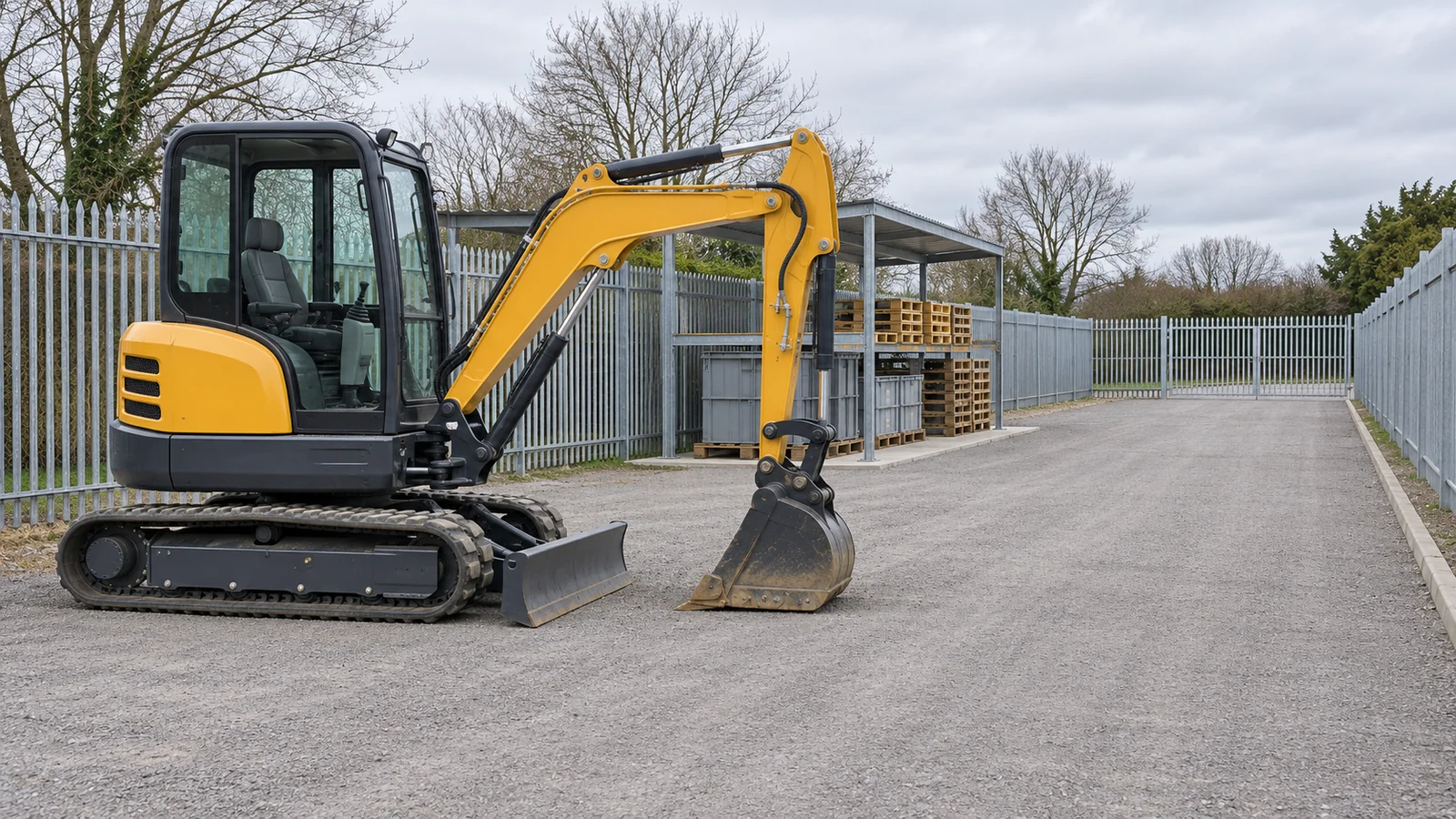
Agree on the loading area, authorized access, site contact, and the point at which the provider takes control of its work area. Coordinate with other contractors so unrelated activity does not enter the operation unexpectedly. Keep the assessed route clear and report new obstacles. A machine may be ready while the site is not, so verify both before the appointment.
OSHA's equipment transportation resource illustrates that loading and transportation involve hazards requiring appropriate controls and securement. Its examples concern a particular industry and do not replace your site's assessment. Ask the competent people responsible for your operation to establish the controls and communicate them to everyone affected, including visitors and adjacent workers.
Plan the destination before departure
Confirm that the receiving location can accept the machine, transport equipment, and proposed unloading method. Identify the person authorized to receive it and the qualified people needed for placement or installation. Check that technical prerequisites and site work are complete. A delivery address and an empty space do not establish that the destination is ready for the actual operation.
Ask where the transport service ends and who owns the next stage. If the machine must be moved inside, connected, inspected, or commissioned, arrange those services explicitly. Our office moving guide discusses coordinating business handoffs, while machinery requires its own technical planning. Keep the sequence visible so completion of transport is not mistaken for readiness to resume production.
Document condition and components
Create a condition record with relevant photographs and known operational concerns. Identify detachable components, accessories, guards, tooling, and documentation that will travel separately. Use asset identifiers or another consistent system so each part can be matched to the machine. Avoid vague descriptions that leave a receiving team unsure whether an unfamiliar component belongs to the shipment.
Ask how the provider records acceptance and delivery condition and how you retain a copy. Distinguish visible condition from technical performance. A routine transport inspection may not verify calibration or internal function. Assign any required technical testing to qualified personnel and keep its scope separate. That distinction helps the project team understand what each record actually establishes.
Compare the complete commercial proposal
Request a proposal that identifies the load, sites, method assumptions, service stages, and prerequisites. Clarify mobilization, transport, site handling, technical preparation, storage if needed, and any separate services. Ask how waiting, changed conditions, or incomplete prerequisites are addressed under the agreement. The total should be read alongside the scope rather than considered independently of it.
Our moving costs and quotes guide provides a general way to compare included and separate tasks. Equipment proposals need additional technical detail, but the comparison principle remains useful. Mark unresolved requirements openly and ask who will price or assess them. Do not enter a guessed zero for an engineering, permitting, or site-work task simply because it is outside the central transport quote.
Understand responsibility and reporting
Ask which terms apply during technical preparation, site handling, transport, storage, and delivery. Clarify the roles of different businesses and the process for reporting a concern. Request relevant written protection information and ask about the actual machine and service stages. A general statement about insurance does not explain every limitation, exclusion, or responsibility across a multi-provider project.
Keep the accepted scopes, condition records, photographs, and correspondence together. If there is a concern, describe the specific machine, component, observation, and stage involved. Do not expect the transport provider to diagnose an internal fault automatically or a technician to decide a transport-contract question. Direct each issue through the process and qualified role appropriate to it.
Manage changes before mobilization
Use a clear process for reporting changes to machine configuration, condition, access, route, or destination readiness. Ask the provider when a revised assessment or proposal is needed. A new attachment or altered loading area may affect the accepted method. Do not assume the original approval covers a materially different operation simply because the project name remains unchanged.
Schedule a readiness review before the agreed decision point for mobilization. Confirm that prerequisites are complete and that the people needed for each handoff are available. If a condition is unresolved, ask what must happen next rather than encouraging an improvised attempt to preserve the date. A controlled revision protects the project from building further commitments on an unsuitable assumption.
## Use a readiness review before committing resources
Bring the people responsible for the machine, site, transport, and destination together through an appropriate planning process. Review the accepted configuration, completed technical preparation, access conditions, approvals, and receiving arrangements. The purpose is to confirm prerequisites, not to invent a lifting method during a scheduling conversation. Any unresolved technical question should return to the qualified person responsible for answering it.
Record which tasks are complete and who has confirmed them. If a task remains open, identify its effect on mobilization and the next decision point. Avoid letting a blank cell in a checklist be interpreted as approval. A clear unresolved status is more useful than a superficially complete record based on assumptions.
Consider a machine leaving a workshop after a repair. Its configuration, transport readiness, and destination installation may involve different providers. Each needs the relevant information, and the project owner must coordinate the sequence. Completion of the repair does not automatically establish transport readiness or destination acceptance.
Keep revisions with the current plan and communicate material changes promptly. This gives each provider a chance to assess the actual operation before people and equipment are committed to a method that no longer matches the site. Confirm the sequence before treating the appointment as ready.
Close the relocation through technical acceptance
At destination, complete the agreed receiving record and identify any outstanding components or concerns. Arrange qualified inspection, installation, calibration, or commissioning where required before the machine returns to use. Retain the records through that process so the team can distinguish transport completion from technical acceptance and operational readiness.
A sound equipment moving plan supplies reliable load information and gives technical decisions to qualified people. Define the whole sequence, prepare both sites, confirm the route process, and keep changes visible. Those steps support an assessed operation and give the business a clear record of who is responsible from the machine's original position to its final accepted location.