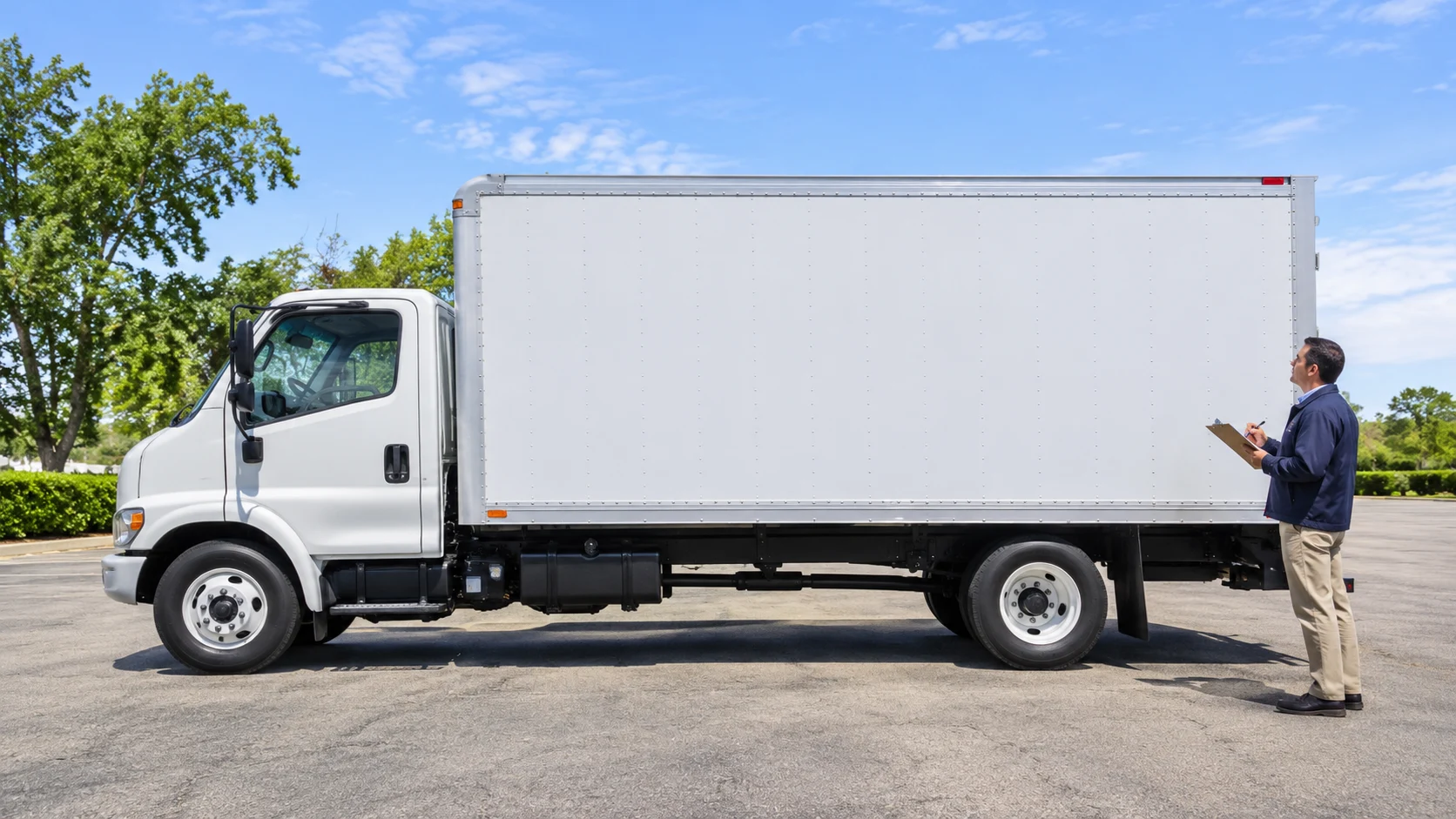
Moving truck rental gives you control of the vehicle while leaving several responsibilities to organize. You need suitable equipment, a driver accepted by the rental agreement, a workable route, loading and unloading help, and a return plan. Begin with the household inventory and access conditions. The vehicle should fit the assessed job, rather than becoming the starting point around which every other decision is improvised.
Moving trucks vary in their equipment and operating requirements. Ask the provider to explain the actual vehicle offered, its permitted use, and the terms that apply. This guide covers the planning questions before collection, the inspection and orientation to complete at pickup, and the household arrangements needed to connect the rental with a successful move.
Build the shipment description first
List the furniture, expected cartons, and bulky belongings. Include garage storage, outdoor items, and equipment outside the main rooms. Record dimensions for furniture that may affect capacity or access. If weight information is required, obtain it from a reliable source or ask how the rental provider assesses the load. Do not substitute appearance or bedroom count for the details it requests.
Decide what will travel separately and what will not move. Keep that decision consistent when discussing equipment with the provider and labor with another company. A vehicle arranged for one inventory may no longer suit a substantially different shipment. Update the businesses involved before collection if you add large furniture or change the proposed loading method.
Ask about the actual equipment
Request the vehicle's usable load-space dimensions, loading arrangement, capacity limits, and any other specifications relevant to your shipment. Confirm what equipment comes with the booking and what must be ordered separately. Ramps, dollies, blankets, and securing equipment should not be assumed to appear simply because you have reserved a moving truck.
Explain your access conditions when asking about equipment. A vehicle that can hold the goods may still be unsuitable for a narrow property entrance or restricted loading area. If you hire help, send the proposed vehicle details to the labor provider. The loading and unloading guide explains why the crew needs to understand the equipment before the appointment.
Confirm driver and passenger arrangements
Ask the rental provider which drivers can use the vehicle, what identification is required, and how authorized drivers are recorded. Read the accepted terms rather than assuming the rules match a previous car rental. If another person may take over during the journey, settle that arrangement before pickup. Keep the relevant documents accessible throughout the trip.
Plan safe passenger travel using the vehicle's approved seating and the provider's instructions. Do not build an itinerary that depends on riding in a cargo area. If your household exceeds the available suitable seats, arrange separate travel. Include pets, personal luggage, and essential belongings in that plan so the cab does not become an unassessed storage solution for everything left over.
Study access at origin and destination
Identify an approved loading position at each property and the route from that point to the rooms. Ask about parking permission, gates, overhead obstructions, slopes, and restricted hours. A vehicle must be able to reach and leave the location through a suitable route. Check these details before collecting equipment rather than discovering them while looking for a place to stop.
If the move involves an apartment, use the apartment moving guide to coordinate elevators and loading appointments. Tell the rental and labor providers about a restriction affecting the vehicle or equipment. Keep property approval details in the moving folder. Never assume a public curb, shared driveway, or building entrance is available merely because it looks convenient on a map.
Prepare a route for the vehicle
Ask the provider how to confirm the vehicle's height, width, and other relevant operating dimensions. Plan the journey using route information appropriate to that vehicle. Consider parking, fuel stops, overnight accommodation, and the approach to each address. Do not assume a route familiar in a passenger car is suitable for the truck you collect.
Check current road information with the relevant authorities before departure and when conditions change. Weather, closures, and restrictions can affect the plan. Give yourself room to stop and reassess rather than trying to preserve a timetable built without realistic breaks. If you are unfamiliar with the vehicle, ask for orientation and allow time to understand its controls before entering busy traffic.
Coordinate packing before collection
Finish the packing assigned to your household in time for loading. Keep routes clear and protect goods using suitable materials and the instructions supplied by the relevant provider. If professional packing is involved, confirm when the cartons will be ready. The packing services guide explains how to define the boundary between your tasks and the company's work.
Separate essential documents, keys, medication, chargers, and personal travel belongings from the shipment. You may need them while the vehicle is loaded or after you arrive before unloading. Keep sensitive records under your control. Label cartons for the receiving rooms so the unloading stage does not depend on opening every box to work out its destination.
Hire labor with a defined scope
If you need help loading, describe the inventory, access route, vehicle, equipment, and appointment. Confirm whether the provider supplies protective materials and which furniture tasks it accepts. Ask who is responsible for preparing and securing the load. Do not assume an agreement to carry belongings covers every part of transportation preparation.
Our local moving labor guide explains how separate providers fit together. Coordinate the origin and destination bookings with the driving plan, and ask how delays affect each appointment. Keep the labor contacts reachable. A destination crew cannot control a late departure, but its terms may still address waiting, rescheduling, or additional time.

Inspect and document the vehicle at pickup
Allow time for the rental provider's inspection process. Check the vehicle and supplied equipment with the representative, record existing concerns, and ask how they will be documented. Confirm the fuel reading, relevant vehicle condition, and any required checks through the provider's process. Keep a copy of the accepted record rather than relying only on a hurried verbal exchange.
Ask how to report a problem, what to do if the vehicle becomes unusable, and where to find assistance information. Identify the return procedure and contact details before leaving. If the vehicle differs from the reservation, ask the provider to explain its suitability and the effect on your agreement. Do not accept a material change without understanding how it affects the move.
Learn the controls and limits
Ask for an orientation covering mirrors, lights, braking controls, parking procedures, loading equipment, and any model-specific instructions. Adjust the driving position and mirrors before departure. Consult the vehicle documentation and provider if you are uncertain. Familiarity with a smaller vehicle does not establish that you understand the truck's dimensions or operating characteristics.
Follow the vehicle's stated capacity and loading instructions. NHTSA's secure your load guidance explains why cargo must be prevented from shifting or escaping. Use suitable help and the provider's specific instructions for your equipment. Do not treat closing the cargo door as confirmation that the load is appropriately prepared for travel.
Understand the rental cost structure
Ask how the agreement treats rental time, distance, fuel, equipment, optional products, tolls, and return conditions. Confirm the dates, locations, and permitted use. Record what is included and which charges remain separate. A quoted vehicle amount does not automatically represent the entire household moving cost, particularly when labor and personal travel are arranged independently.
Use the moving costs guide to keep supplies, loading, unloading, accommodation, and other relocation expenses visible. Work from your accepted terms and realistic travel assumptions rather than a generic total. If the truck's return appointment requires an extra overnight stay, include that consequence in the household budget before choosing the arrangement.
Plan the unloading appointment
Confirm destination access before departure. Give the receiving contact the expected arrival information and tell the labor provider how updates will be communicated. Keep the agreed room plan accessible. Large furniture should have an intended position before it reaches the doorway, and essential cartons should be recognizable without searching the entire load.
If the destination becomes unavailable, contact the relevant providers and discuss an accepted alternative. Do not assume the loaded truck can remain wherever you stop or that extending the rental is automatic. The moving and storage guide outlines questions for a separate holding arrangement if the housing timeline no longer connects with the original plan.
## Separate usable space from accepted load
A truck can appear to have room remaining while the load still requires review against the vehicle's stated limits and loading instructions. Ask the provider how to determine suitability for your actual goods. If you have unusually dense belongings, such as many cartons of books or workshop materials, explain that explicitly. Do not treat visible empty space as permission to add whatever remains in the home.
Likewise, avoid loading an awkward piece solely because its dimensions fit the cargo opening. The handling route, preparation, and securing arrangement still need assessment. If hired labor is involved, tell the crew about such items before the appointment and confirm its accepted scope. A rental vehicle does not turn a specialty item into an ordinary furniture job.
Check equipment changes before accepting them
If the offered truck differs from the reservation, pause long enough to review the consequences. Ask about usable dimensions, loading equipment, operating information, and contract changes. Then contact the labor provider if its plan relied on the original vehicle. A different ramp arrangement or loading height can affect how the work is assessed even when the replacement vehicle has substantial capacity.
Keep the accepted change documented with the rental agreement. Update the route plan if vehicle dimensions change, and confirm that property access remains suitable. Do not assume a larger replacement automatically solves the problem. The relevant question is whether the actual equipment fits the household, buildings, driving plan, and provider instructions.
Build a final vehicle checklist
Before collecting the truck, write the items that must connect on that day: required documents, authorized drivers, pickup address, loading appointment, equipment, access permission, and assistance contact. At return, use a separate list for belongings, fuel terms, accessories, location, and confirmation. The lists should reflect the accepted rental rather than a generic account of another person's experience.
Give the household contact a copy of the timing and phone numbers needed for coordination. Keep sensitive identification and payment details private. Clear roles and accessible records support the transition between the rental branch, the loading crew, the journey, and the receiving home.
Review the plan with the driver who will actually collect the vehicle. They should understand the pickup requirements, destination access, route assumptions, and return process. If another household member made the reservation, pass along the current agreement and relevant messages rather than expecting the driver to reconstruct them at the branch. Keep the assistance contact and booking reference accessible. Ask the driver to report a material equipment change before leaving so the household can update labor and access arrangements where necessary. This short review can identify a missing document, an unapproved driver, or a timing conflict while there is still an opportunity to correct it. Use the accepted rental details as the reference throughout the conversation. Confirm any unresolved point with the provider before the scheduled pickup and loading appointments.
Finish the rental deliberately
After unloading, check the cargo area and cab for belongings, documents, and equipment. Follow the agreed return requirements for fuel, cleanliness, accessories, location, and timing. Retain the return confirmation and any final receipt. If returning outside staffed hours, use the provider's actual instructions and document the handoff through its stated process.
For a rental ending at another location, read the one-way truck guide before departure. The final handoff should connect with your own onward transport. A complete truck-rental plan covers more than getting furniture to the new address: it ends with belongings unloaded, equipment accounted for, the vehicle properly returned, and the household able to continue settling in.